
Medical Receptionist vs Dental Receptionist: Salary, Duties, and Difficulty Compared
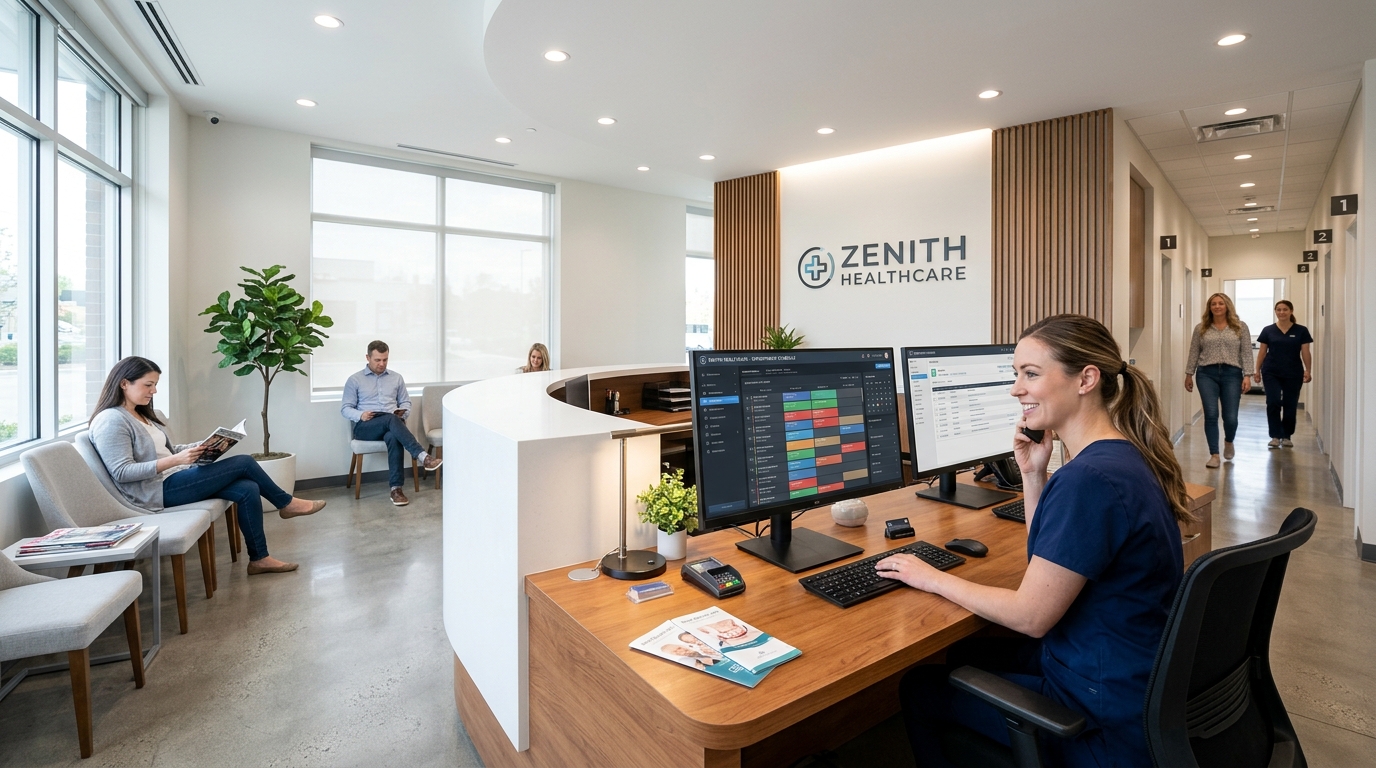
Short answer: While both roles manage patient front desks without requiring a college degree, dental receptionists earn slightly higher median wages ($34,359 vs $31,960 annually) and handle direct copay collection and treatment plan financing in smaller private practice settings. In contrast, medical receptionists operate in faster-paced, multi-physician clinics or hospital systems using enterprise electronic health record (EHR) systems, facing heavier phone call volumes and complex multi-payer insurance authorizations.
Medical vs dental receptionist comparison
- Compensation edge: Dental receptionists earn approximately $1.00 to $2.00 more per hour on average ($34,359 vs $31,960).
- Office environment: Dental offices are typically smaller private practices (1–4 doctors); medical practices are often large networks.
- Billing responsibility: Dental clerks collect payments and present treatment financing upfront; medical billing is usually handled off-site.
- Software suites: Dental uses Dentrix, Eaglesoft, or Open Dental; medical uses Epic Systems, Cerner, or Athenahealth.
- Pacing and stress: Medical receptionists handle higher patient volume and urgent inquiries; dental roles emphasize scheduling recall and retention.
Updated September 2026. Compensation figures based on BLS occupational statistics and industry dental practice management surveys.
Key differences at a glance
For job seekers entering healthcare administration without a university degree, front desk reception represents the primary entry point. While both medical and dental receptionists serve as the welcoming face of healthcare facilities, the day-to-day realities of these two career paths diverge significantly in terms of financial collection, office culture, and pacing.
Choosing between dental and medical front desk employment depends on your personal working style: do you prefer the close-knit, commercially oriented environment of a boutique private dental practice, or the structured, procedural stability of a large healthcare network?
| Comparison Category | Dental Receptionist | Medical Receptionist |
|---|---|---|
| Median Annual Salary | $34,359 / yr ($16.50 – $21.50 / hr) | $31,960 / yr ($15.00 – $19.50 / hr) |
| Practice Size | 1 to 5 dentists, small dental team | Multi-provider clinics, hospital outpatient, health systems |
| Financial Duties | Heavy: Copay collection, deductible tracking, CareCredit financing | Moderate: Collecting copays; complex billing routed to billing team |
| Primary Software | Dentrix, Eaglesoft, Open Dental, Curve Dental | Epic Systems, Cerner, Athenahealth, eClinicalWorks |
| Work Pacing | Appointment-focused with active hygiene recall phone outreach | High patient foot traffic, constant inbound multi-line phone calls |
| Schedule & Overtime | Typically 4-day weeks (Monday–Thursday), rare weekends | Standard 5-day week, with occasional evening/weekend urgent care shifts |
Duties and responsibilities: Dental vs medical
In a dental practice, the front desk coordinator often acts as both receptionist and treatment plan coordinator. Because dental insurance functions more like an annual benefit discount allowance (with typical annual maximums of $1,000 to $2,000), dental receptionists must explain out-of-pocket costs to patients before crowns, root canals, or orthodontic treatments occur. They also maintain active hygiene recall lists, calling patients every six months to schedule cleanings.
In contrast, medical receptionists focus primarily on high-volume patient throughput and insurance verification. A medical clinic may see 40 to 80 patients per physician daily. The medical receptionist verifies primary and secondary insurance cards, checks patients in, collects fixed copays, prints visit summaries, and routes prescription refill and referral inquiries to nurses.
Salary comparison and benefits structures
Dental receptionists generally command slightly higher hourly wages due to the commercial financial element of dental practice management. Private dentists value staff who can successfully explain out-of-pocket payment plans and maintain full appointment chairs.
However, medical practices often provide superior overall benefits packages. Hospital-affiliated medical groups typically offer generous employer-paid health, dental, and vision insurance, defined-contribution retirement pensions or 401(k) matches, and tuition reimbursement. Small private dental practices, while paying higher hourly wages, may offer limited health insurance coverage or substitute free in-office dental care in lieu of traditional health benefits.
Software tools and technology requirements
Dental practices rely on specialized dental practice management software designed around tooth charts, hygiene recall schedules, and ADA dental procedure codes (CDT codes). Mastering platforms like Dentrix, Eaglesoft, or Open Dental gives dental candidates instant leverage in the job market.
Medical practices utilize hospital-grade Electronic Medical Records (EMR) and Electronic Health Records (EHR) platforms built around ICD-10 diagnostic codes and CPT billing codes. Platforms like Epic Systems and Athenahealth are standard across hospital chains. For preparation, explore our entry-level office careers without a degree guide and review healthcare intake coordinator requirements alongside medical receptionist scenario interview questions.
Which role is right for you?
Choose Dental Reception if: You prefer a smaller, tight-knit workplace with predictable hours, no weekend requirements, and you feel comfortable discussing money, financial estimates, and payment plans with patients.
Choose Medical Reception if: You want corporate advancement opportunities within large hospital networks, prioritize robust health and retirement benefits, and prefer a fast-paced environment where financial collections are less personal and more procedural.
Frequently asked questions
Can you switch from dental receptionist to medical receptionist?
Yes. The core competencies—scheduling, telephone etiquette, insurance verification, and patient customer service—transfer seamlessly between both healthcare sectors.
Is dental receptionist work easier than medical receptionist work?
Dental reception generally involves fewer patients per day, resulting in less chaotic physical waiting rooms. However, the financial conversations regarding treatment costs and dental insurance maximums can feel more demanding.
Do dental receptionists need dental assistant licenses?
No. Receptionists handle front office duties exclusively and do not require radiology certification or dental assisting credentials, though familiarity with dental tooth numbering is helpful.
What is the dress code for medical and dental receptionists?
Most dental receptionists wear professional scrubs or business casual attire with matching lab coats. Medical receptionists typically wear departmental scrubs or business professional clothing depending on clinic policy.
What are common hours for dental receptionists?
Many private dental offices operate Monday through Thursday from 7:30 am to 5:00 pm, offering employees a regular three-day weekend every Friday through Sunday.
Primary sources and editorial method
- U.S. Bureau of Labor Statistics: Receptionists and Information Clerks
- American Dental Association (ADA) Practice Management Resources
- American Association of Healthcare Administrative Management
The Office Job publishes unbiased career comparisons. Salary ranges, insurance protocols, and hiring benchmarks vary based on geographic market and individual clinic structures.